On March 10, 2024, Kensington Palace distributed a Mother’s Day family photograph of Catherine, Princess of Wales, and her children. Within hours, the Associated Press and other agencies removed it from their services after detecting alterations that violated their standards. This article does not reproduce the photograph, identify the children beyond that necessary context or use the incident to speculate about anyone’s health.
In this explainer ↓
What the agencies did
AP said it initially distributed the handout because it came from an official source. On closer examination, editors found inconsistencies and issued a “photo kill,” an industry instruction telling clients to remove the image from their systems. AP’s explainer said Getty, Reuters and Agence France-Presse also removed it. AFP separately said its London photo editors identified alterations and that the modifications violated professional ethical standards.
A kill notice does not mean an agency has proved every theory about how an image was made. AP explicitly said there was no suggestion the entire scene was fake. The actionable finding was narrower: the supplied file had been altered in a way that failed the agency’s rules, and no replacement was available.
Source record: Associated Press [1] · Agence France-Presse [2]
Why “official” was not the end of verification
Provenance answers where a file came from; integrity asks whether the file reliably depicts the scene as presented. Kensington Palace was the identified source, so the provenance was not anonymous. Yet an official handout still entered news systems as evidence about a real moment. The agencies’ responsibility did not disappear because the source was prominent.
AP’s published standards allow limited technical adjustments needed for accurate reproduction but reject changes that materially alter content. AFP likewise framed its decision around alterations incompatible with professional ethics. The case therefore challenges a common shortcut: “official” can raise initial confidence about authorship while leaving authenticity, editing and caption accuracy open to inspection.
Source record: Associated Press [1] · Agence France-Presse [2] · Associated Press [3]
A correction without a conspiracy
The next day, a message attributed to Catherine on the couple’s official social account apologized for confusion and said she sometimes experimented with editing. That statement addressed responsibility for editing but did not supply an unedited original to the agencies. For a newsroom, the lack of a replacement meant the withdrawn image could not simply be repaired by rewriting its caption.
The verification story ends there. It does not require theories about medical treatment, marital status, body doubles or motives. Such claims were not established by the pixels the agencies flagged. Reporting the withdrawal alongside the limited apology is more rigorous than using a real standards failure as a launchpad for unrelated speculation.
Source record: Associated Press [1]
A practical image-check workflow
Editors can take four lessons from the episode. First, record the original source and caption. Second, inspect visual seams, metadata when available and inconsistencies in geometry, light or repeated detail. Third, ask the source for the original or a replacement. Fourth, if material alteration cannot be reconciled with policy, withdraw the image visibly and tell downstream users what to do.
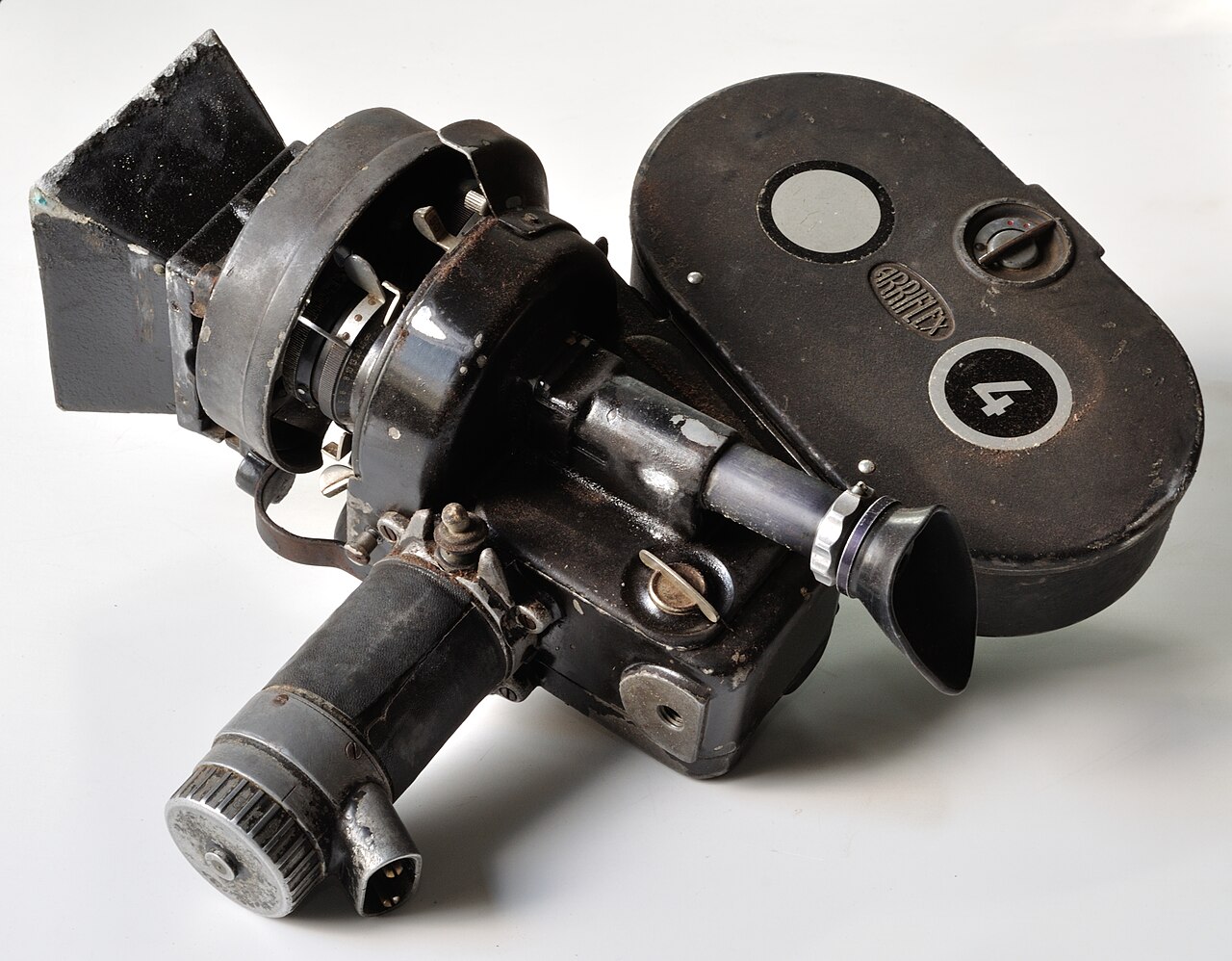
A photo kill is distribution control, not a magic eraser: copies may remain online, so an explanation should travel with the correction. Hollywood Current uses an illustrative camera image here instead of republishing the family photograph. That choice keeps the case study focused on verification practice and avoids recirculating an image the supplying agencies told clients to remove.
Source record: Associated Press [1] · Associated Press [3]
Continue this thread.
Follow the reporting, not the repetition · How to read the Eras Tour totals · Is that celebrity endorsement real?
Read the original record.
Reviewed Sep 19, 2026. These sources support the bounded claims described below; editorial interpretation and hypothetical examples are identified in the text. No historical site publication date is implied.
Associated Press · Source publication: Mar 11, 2024 · Reviewed Sep 19, 2026
Agency account of distribution, inspection, withdrawal and the later apology; health details are outside this article’s scope.
Agence France-Presse · Source publication: Mar 11, 2024 · Reviewed Sep 19, 2026
Agency explanation that detected alterations violated professional ethical standards.
Associated Press · Source publication: Not recorded · Reviewed Sep 19, 2026
Current AP standards explaining acceptable technical adjustments and prohibited content alteration; not a case chronology.