A gala dress code is an invitation to interpretation. A museum exhibition has another job: to make an argument through objects. In 2024 those two projects were related but not identical. Looking beyond the carpet reveals a more interesting story about fashion, conservation and the problem of showing an object whose original purpose involved a moving human body.
In this explainer ↓
Two titles, two functions
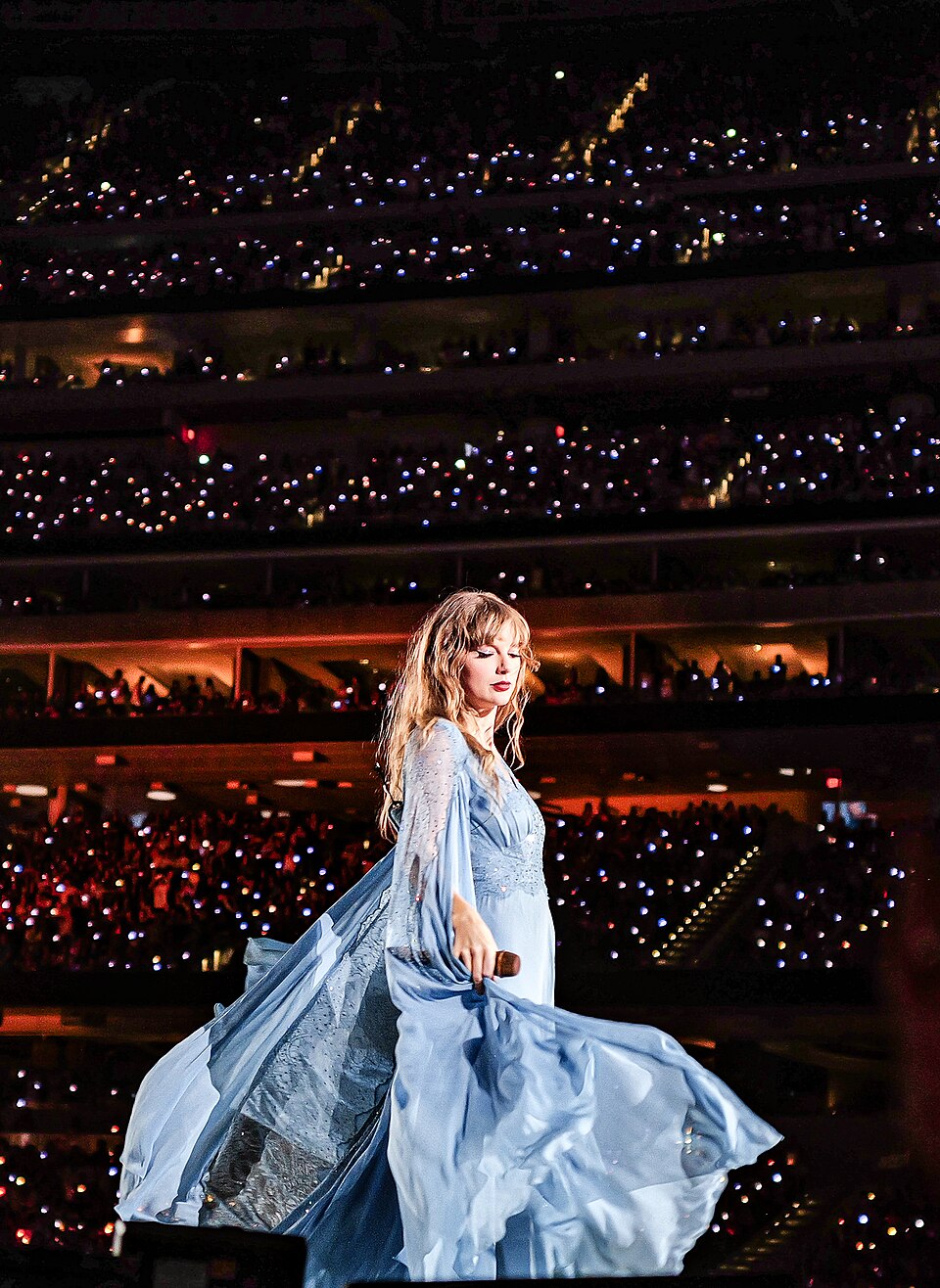
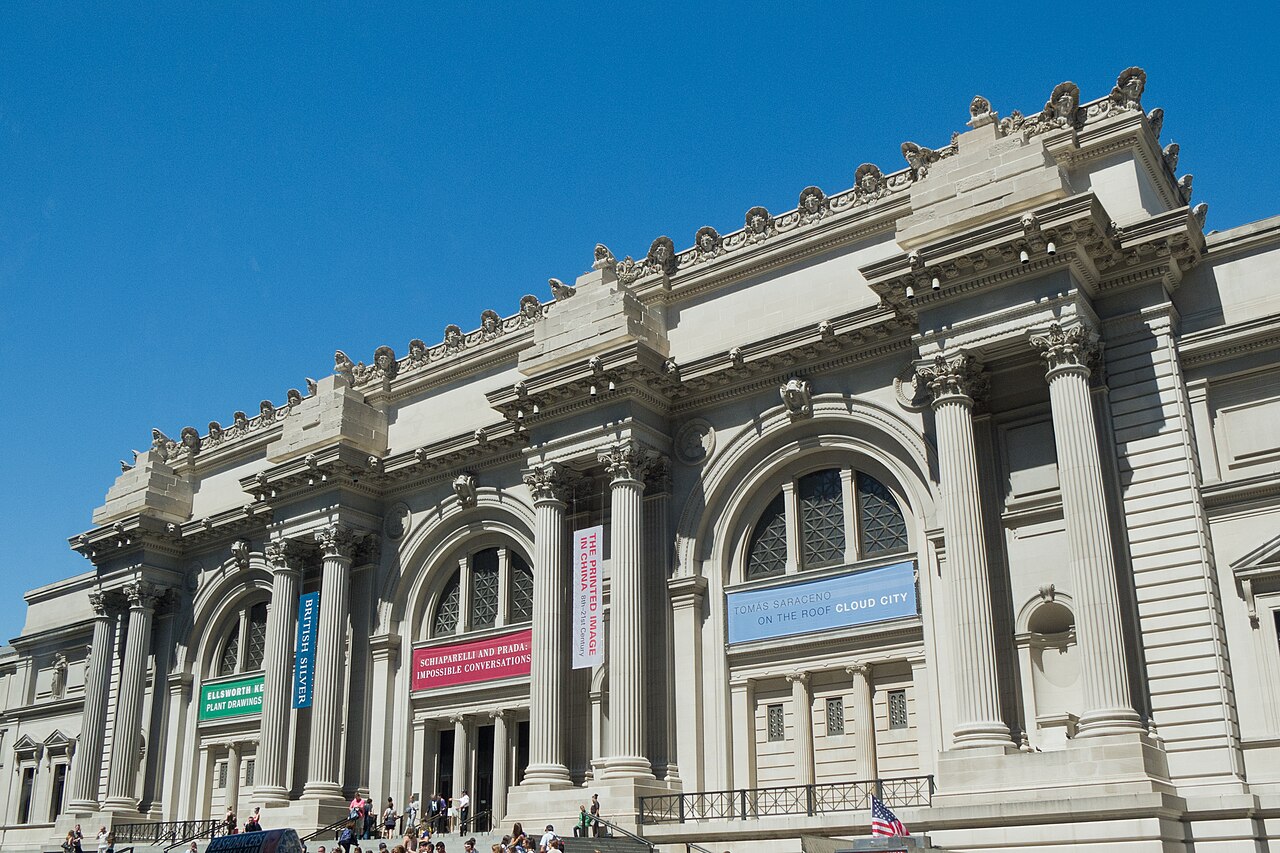
The Metropolitan Museum of Art’s exhibition was Sleeping Beauties: Reawakening Fashion, on view from May 10 through September 2, 2024. Vogue identified the gala’s dress code as The Garden of Time. The exhibition title and the instruction to guests should not be collapsed into a single interchangeable theme.
For readers, the distinction improves both kinds of coverage. A carpet photograph can invite an interpretation of a guest’s choices. A museum account should explain the curatorial question and the objects presented. Neither task is well served by a yes-or-no verdict about whether every outfit followed an imagined uniform.
Source record: The Metropolitan Museum of Art [1] · Vogue [2]
The absent body is part of the story
The Met described garments too fragile to be mounted on mannequins, alongside technologies intended to evoke qualities such as movement, sound and scent. Nature connected the objects, with approximately 220 garments and accessories spanning four centuries. Conservation was not simply background administration; it shaped what visitors could experience.
Our reading of that approach is that a fashion object carries at least two histories: its life in use and its life as something preserved. A still photograph is excellent at describing an outline but less able to convey weight, rustle or restriction. That gap is a reason to ask for more context, not a reason to dismiss the photograph.
Source record: The Metropolitan Museum of Art [1]
A simulation can explain without becoming the original
The exhibition described methods including projection, animation and soundscapes. It also used the Pepper’s ghost illusion to explore the restricted stride associated with a hobble skirt. These were interpretive devices around historic clothing, not evidence that a fragile original had been returned to ordinary use.
That distinction offers a useful way to read museum technology. Ask what the device makes perceptible, what evidence informed it and what remains an interpretation. A reconstruction can illuminate a question while still requiring a label. The most persuasive presentation lets you understand both the object and the limits of the reconstruction.
Source record: The Metropolitan Museum of Art [1]
Try a closer-reading exercise
Choose one credited image from the museum’s own exhibition material. First describe only what is visible: shape, texture, color and the relation between a garment and its support. Next read the label and add the maker, date and material. Finally separate those observations from your interpretation of what the piece suggests.
The order matters. It keeps an attractive metaphor from taking the place of an object description. A floral form might invite thoughts about growth or decay, but those thoughts are your reading unless the designer or curator documents that intention. You can enjoy an interpretation without presenting it as a discovered quotation.
Keep the archive distinct from a visit recommendation
This exhibition has ended. Its retained page is useful documentation, not a promise of current access, ticketing or gallery conditions. A reader looking for a future visit should consult the museum’s current program separately.
As an archive story, the lasting question is how entertainment coverage can connect a highly visible event to the cultural work beside it. Start with the carpet if that catches your eye. Then follow the credits, the exhibition record and the object label. The result is a richer encounter than a ranking of who supposedly understood the assignment.
Source record: The Metropolitan Museum of Art [1]
Continue this thread.
Follow the reporting, not the repetition · Swift’s masters, in her own words · Why streaming charts are not interchangeable
Read the original record.
Reviewed Sep 19, 2026. These sources support the bounded claims described below; editorial interpretation and hypothetical examples are identified in the text. No historical site publication date is implied.
The Metropolitan Museum of Art · Source publication: Not recorded · Reviewed Sep 19, 2026
Exhibition dates, scope and sensory interpretation methods.
Vogue · Source publication: Not recorded · Reviewed Sep 19, 2026
Dress-code name only; not an outfit-by-outfit judgment.